
Visually appealing interface designs
that delight and retain users
Start a new project

Improve overall outcomes, efficiency, and competitiveness of your business
- Less wasted effort, more cost savings Potential issues and design problems are identified and addressed early on leading to fewer revisions and efficient use of time and resources.
- Align design strategy with business goalsStrategic thinking aligns design with business goals, leading to better design outcomes and more effective products or services.
- Improved customer satisfactionUnderstanding the needs of customers and aligning the designs to meet those needs can lead to increased customer satisfaction.
- Better communication and collaborationUX design strategy helps to establish a shared vision that promotes effective communication and collaboration among the design team, stakeholders, and clients.
- Create a lasting business valueEnsure that the product or service is aligned with industry trends and the needs of the target market to increase competitiveness.
Our strategic design approach
Understand your business
As a UX design strategy agency, we start by understanding your industry, business model, product/service idea, and the market problem it will solve. Conducting discovery meetings enable us to understand your expectations, review digital product features and scope the project.
Ask thoughtful questions
Questions are the language of digital strategy and design. We ask thoughtful questions and listen intently to gather data about customer needs, industry trends, and existing solutions. It helps us to identify new opportunities and make informed design decisions.
Observe, prioritize and plan
We practice seeing the bigger picture — what’s your vision and why it’s important. We keep an eye out for issues that arise during the design process, prioritize the design problems and plan accordingly to ensure we are making the most impactful decisions.
Focus on outcomes
Focus on outcomes We take a problem-solving approach to identify the root cause of problems and generate potential solutions. Instead of conducting unfruitful workshops and discussions with no end result, we focus on the goals and tasks at hand and make sure we are executing.
Seek feedback, reflect, and iterate
We seek feedback from cross-functional teams and stakeholders and reflect on the design outcomes to identify areas for improvement. We adapt the designs and pivot when necessary to align the designs with the business goals and user needs.
Communicate effectively
Effective communication brings a lot of clarity. We structure the communication in a way that keeps the team focused on the core objectives and helps clients better understand the rationale behind the design decisions for effective collaboration.
Leading your business to success with our UX design strategy services
We conduct discovery sessions to grasp industry traits and understand your business idea, target audience, and the problem it solves. This informs the design process and establishes a shared understanding between the design team and stakeholders.
Conducting user research allows us to gain a deep understanding of the target audience and their needs, challenges, and preferences. As a design strategy company, this enables us to design solutions that address user needs and concerns and can eventually help to increase digital product adoption.
As a part of our design strategy consulting, we review your competitors and evaluate their strategies to determine their strengths and weaknesses relative to those of your product or service.
For an existing digital product, we study the heuristics and analyze the UX strengths, weaknesses, and pain points. It results in practical UX recommendations to take informed design decisions.
Crafting intuitive experiences with
our fluid design process
Idea discovery
& research
Understand your idea, business model and the market problem that your product will solve.
Shaping the
ideas
Translate ideas and expectations into a wireframe. Detect changes early to avoid UX pitfalls.
Visual design of the project
Transform wireframes into production-ready UX design by implementing visually engaging UI elements
Design testing and support
Deliver the final visual design and transition UX design assets for smoother development kickoff.
UX design agility that drives real
results for our clients
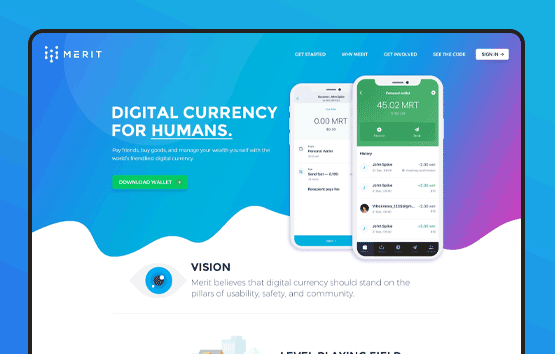
Merit Currency
Efficiently handle your hotel tasks and team members
using a single product.
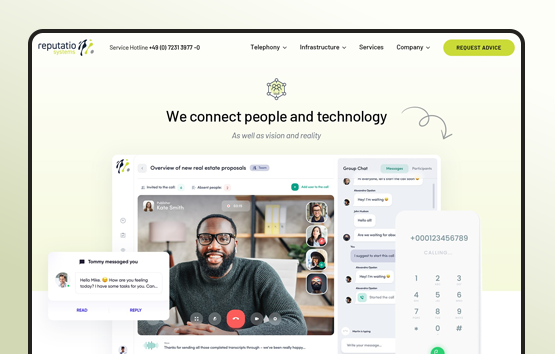
Reputatio Systems
Efficiently handle your hotel tasks and team members
using a single product.
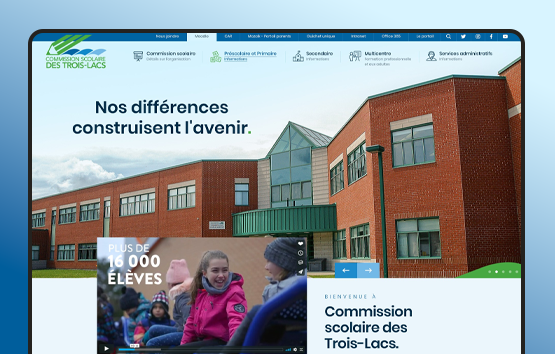
Commission Solare
Efficiently handle your hotel tasks and team members
using a single product.
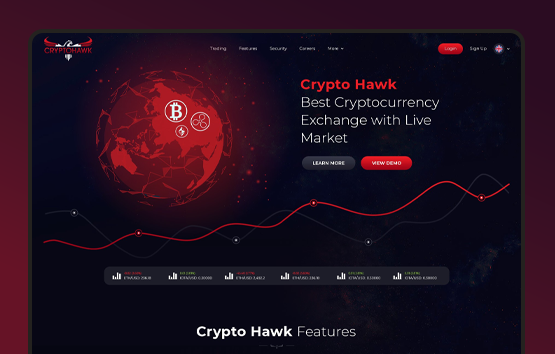
Cryptohawk
Efficiently handle your hotel tasks and team members
using a single product.
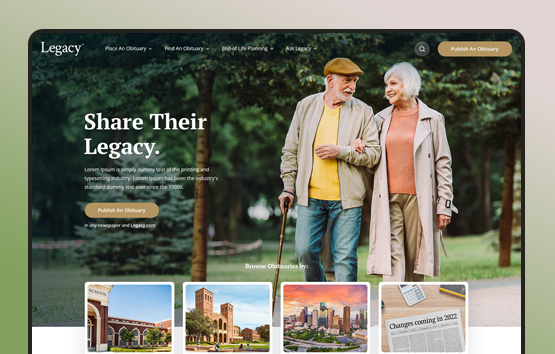
Legacy
Efficiently handle your hotel tasks and team members
using a single product.
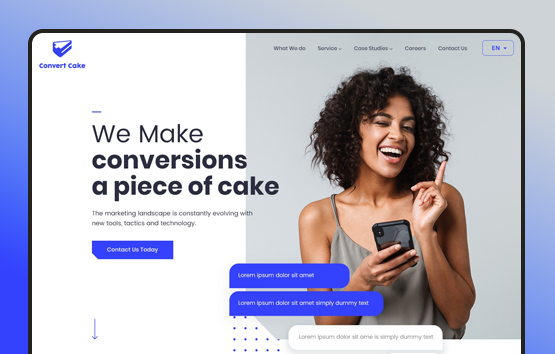
Convert Cake
Efficiently handle your hotel tasks and team members
using a single product.
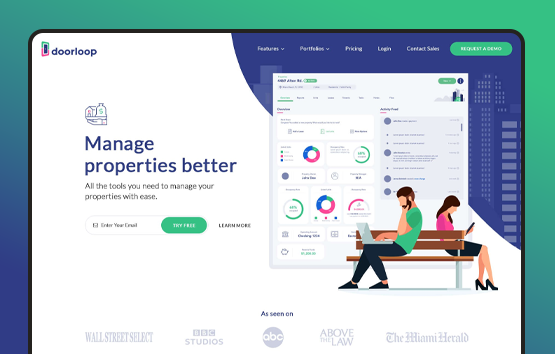
Doorloop
Efficiently handle your hotel tasks and team members
using a single product.
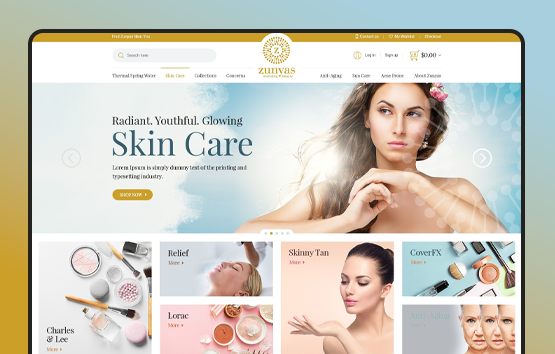
Zunyas
Efficiently handle your hotel tasks and team members
using a single product.
How our solutions helped our
clients and what they say about us

Mariana Parezeo
Co-FounderThe power of UX design: How VelourUX improved Our Traffic Ticket booking system
and the onboarding process and boosted
user retention.
Mariana Parezeo
Co-FounderThe power of UX design: How VelourUX improved Our Traffic Ticket booking system
and the onboarding process and boosted
user retention.
Mariana Parezeo
Co-FounderThe power of UX design: How VelourUX improved Our Traffic Ticket booking system
and the onboarding process and boosted
user retention.
Design strategy FAQs
You do not need to be tech-savvy or design-savvy to be a part of design strategy discussions. The main focus of design strategy is on understanding the business goals and objectives, user needs, and industry trends, and aligning design decisions with those factors. This requires a strategic mindset and the ability to think critically and work collaboratively with cross-functional teams.
In the initial discovery meetings, we ask questions to grasp industry traits and understand your domain expertise, and business goals. If you’re tech-savvy, our questions might change but it doesn’t change the course of design decisions.
The length of time it takes to define a design strategy can vary depending on the complexity and depth of the project and the size of the organization. A small project with a clear set of goals and a well-defined problem space might take a few weeks to define a design strategy. A larger, more complex project with multiple stakeholders and a lot of uncertainty might take several months.
Estimating based on our previous projects, the length of time it takes to define a design strategy can vary between 1-3 weeks based on the needs of the project.
It’s important to note that the design strategy is not a one-time process, it’s an iterative one and it’s essential to revisit and refine the strategy throughout the project. As the design team learns more about the problem space and user needs, they may need to adjust the strategy to ensure that it is still aligned with the project goals and objectives.
After the design strategy is defined, the next steps typically include sharing the final proposal, concept development, and design execution. We develop and iterate on concepts that align with the design strategy and create detailed design deliverables such as design systems, wireframes, prototypes, and visual designs that will be used to build the final product.
The later stages include testing, validation, and delivery. We test the design with users and stakeholders to gather feedback, validate the design decisions, and hand over the design files to the development team for implementation.
These steps may vary depending on the type of project and the design process used. Additionally, our process is iterative, meaning that some steps may occur in parallel, and some steps may be repeated multiple times in order to achieve the best possible outcome.
Yes, design strategy can assist in determining the design specification based on which the cost of a project or product is estimated. By defining the design strategy at the beginning of a project, we can identify the key problems to be solved, the user needs to be addressed, and goals to be achieved, which in turn can help to define the scope and milestones of the project.
By aligning the design decisions with the overall business goals, we ensure that the project is focused on the most important areas, which can help to control costs and make the project more efficient.
Design strategy discussions can be conducted at any stage of product development — idea or concept stage, Minimum Viable Product (MVP) stage, or redesign of an existing product. it can be done even when the product is already launched but it will be more challenging to implement changes based on the results of the design strategy sessions.
It is most effective when design strategy sessions are done at the earliest possible stage of product development. This allows for a clear understanding of the problem space, user needs, and business goals, which can inform the development of the product and align it with the overall strategy.
The design strategy phase typically involves a cross-functional team that includes designers, project managers, stakeholders, and business analysts. The specific roles and responsibilities of the team members may vary depending on the project and the size of the organization.
Usually, our chief designer and business analyst are present during the design strategy sessions with the client. The chief designer collaborates with the client to understand their vision of the product, responsible for conducting research, developing concepts, and creating design deliverables. Business analysts are responsible for understanding the business goals and objectives of the project to create a design specification document, and aligning the design strategy with those goals.
Other services that may interest you
Design Strategy
A robust UX strategy serves as the basis for unforgettable product design. As a UX consulting firm, we initiate every project with a thorough discovery phase where our UX designers and strategists thoroughly explore your business offerings.
Read more
User Experience (UX)
We develop design solutions that match your business vision while emphasizing the advantages for the end users. Our design choices based on principles aid in developing concepts and protect you from hidden traps that affect user experience.
Read more
Brand Designing
We develop design solutions that match your business vision while emphasizing the advantages for the end users. Our design choices based on principles aid in developing concepts and protect you from hidden traps that affect user experience.
Read more
Online Presence
We develop design solutions that match your business vision while emphasizing the advantages for the end users. Our design choices based on principles aid in developing concepts and protect you from hidden traps that affect user experience.
Read more
Ecommerce
We develop design solutions that match your business vision while emphasizing the advantages for the end users. Our design choices based on principles aid in developing concepts and protect you from hidden traps that affect user experience.
Read more
Online Marketing
We develop design solutions that match your business vision while emphasizing the advantages for the end users. Our design choices based on principles aid in developing concepts and protect you from hidden traps that affect user experience.
Read more